A More Sustainable Approach to Parasite Control in Dairy Cows

Controlling intestinal parasites in dairy cows remains an essential part of protecting herd health and maintaining productivity. For many years, wormers have been widely used as a routine solution. However, this approach is becoming less sustainable, as repeated and widespread use can contribute to the development of parasite resistance.
At the same time, both producers and consumers are placing greater importance on environmental responsibility, food safety, and the careful use of animal health products. This means that parasite control strategies now need to deliver not only effective treatment, but also long-term sustainability.
The Challenge of Resistance
Resistance to wormers is an increasing concern in livestock production. A number of factors can contribute to this problem, but one of the most important is the type of formulation being used.
Pour-on formulations are convenient, but they can present several challenges that may increase the risk of resistance developing. These include unreliable dosing, wide variation between animals, and lower plasma availability compared with injectable options.
Adverse weather conditions can also reduce treatment effectiveness. Rainfall, for example, may lead to loss of active ingredient before the product has been fully absorbed.
In addition, animal behaviour can affect how accurately the treatment is delivered. Self-licking and allo-licking may result in dose sharing, where one animal receives more than intended and another receives less. This makes parasite control less predictable and reduces confidence in the treatment outcome.
Why Precision Matters
Accurate dosing is central to any successful parasite control programme. When treatment levels vary between animals, the risk of underdosing increases, and underdosing is one of the key drivers of resistance.
This is especially important when applying selective treatment strategies, where only the animals that need treatment are treated. Selective treatment can help slow the development of resistance, but it relies on the ability to deliver the correct dose to the correct animal.
If treatment is lost due to weather, inconsistently absorbed, or shared between animals, the value of a selective approach is reduced.
Environmental Considerations
Environmental impact is another important factor in modern parasite control.
With pour-on products, higher doses are often required when compared with injectable formulations. This can result in more active ingredient being used overall, increasing environmental exposure and reducing efficiency.
As the livestock sector continues to move toward more sustainable production systems, treatment choices should support both animal health and responsible product use.
A More Precise Approach
A more precise treatment strategy can help address many of these concerns.
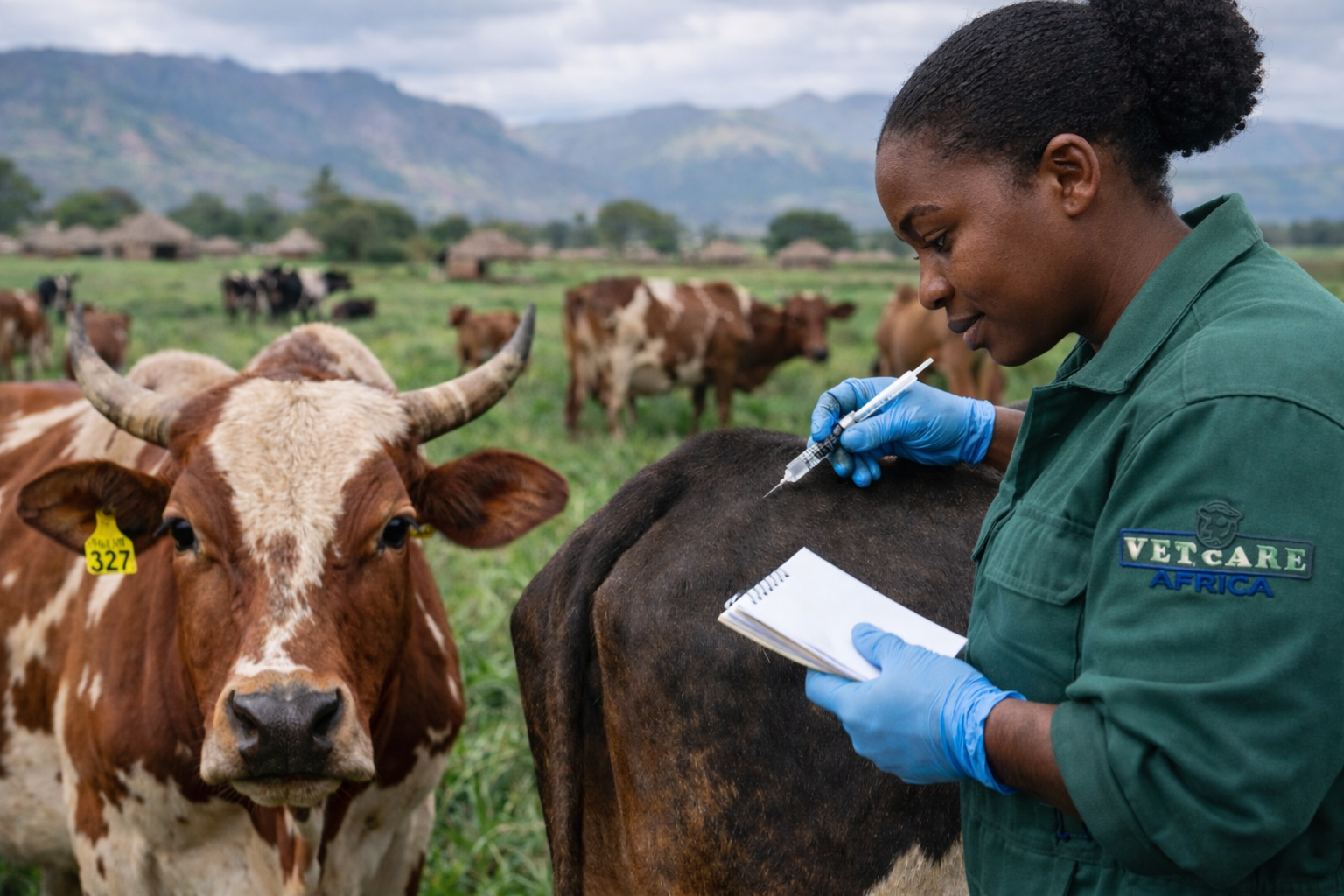
Using an injectable eprinomectin solution supports more accurate dosing and avoids several of the practical limitations associated with pour-on formulations. Injectable treatment reduces the risk of weather-related product loss and eliminates dose sharing caused by licking behaviour.
For dairy producers, another important advantage is the availability of a zero-day milk withdrawal period, making it a practical option where continuity of milk production is essential.
Less Is More
By moving toward a more precise and selective approach to parasite control, farmers can help achieve:
- less product administered
- less inaccurate dosing
- less environmental impact
- less risk of resistance development
In this context, less really can mean more.
Less pressure on treatments today helps preserve their effectiveness for tomorrow.
Conclusion
Sustainable parasite control is no longer just about treating animals regularly. It is about choosing the right product, the right formulation, and the right strategy for the herd.
By improving treatment precision and supporting selective use, dairy farmers can help protect herd health while also reducing environmental impact and slowing the development of wormer resistance.
Need support with parasite control in dairy cows?
Speak to the VetCare Africa team or your veterinary advisor to explore practical, sustainable treatment approaches for your herd